
Where Rust And Corrosion Start On Roller Doors In Darwin
Darwin Roller Door Services • May 29, 2026
A roller door may appear solid and durable from the outside, but corrosion often begins in places that are easy to overlook. By the time rust becomes visible on the surface, moisture and salt exposure may already be affecting tracks, hinges, fasteners or internal components.
For commercial and industrial properties, rust can gradually affect door movement, safety and long-term reliability. In tropical environments, the combination of humidity, rain and airborne salt can place ongoing pressure on metal surfaces throughout the year.
Property owners researching
roller doors in Darwin are often focused on security and access, but ongoing maintenance and corrosion prevention also play an important role in keeping doors operating reliably in local conditions.
Salt Air Quietly Attacks The Lower Edges Of Roller Doors First
The lower sections of roller doors are often among the first areas where corrosion begins. Salt carried through coastal air can settle on metal surfaces, particularly around the bottom rail where moisture, dirt and debris collect more easily.
Over time, trapped moisture may wear down protective finishes and expose metal underneath. In industrial and commercial settings, roller doors are frequently exposed to vehicle traffic, rain splash and wash-down areas, which can increase contact with moisture near ground level.
Routine inspections can help identify early signs of bubbling paint, discolouration or surface rust before larger sections of the door are affected. Property owners using Darwin roller door services often arrange maintenance checks to monitor these vulnerable areas before corrosion spreads further.
Tracks And Guides Often Collect The Grime That Leads To Corrosion
Tracks and side guides regularly collect dirt, dust and moisture, particularly during the wet season. When grime remains trapped inside these areas, corrosion can gradually develop around moving components.
Common issues include:
- Moisture collecting inside poorly cleaned tracks
- Salt residue building up on metal surfaces
- Blocked drainage points near door openings
- Corrosion around rollers and guide brackets
- Increased friction from rust buildup
Cleaning tracks is not only about appearance. Removing debris and moisture can help reduce unnecessary wear on moving parts and allow the door to operate more consistently over time.
Small Scratches In Protective Coatings Can Become Bigger Problems
Protective coatings help shield roller doors from moisture and environmental exposure. Even small scratches or chips in painted surfaces can create openings where corrosion begins.
Industrial properties often expose doors to forklifts, tools, machinery and daily impacts that gradually damage coatings. Once bare metal becomes exposed, humidity and salt air can accelerate rust formation beneath the surrounding finish.
Repairing damaged sections early may help prevent corrosion from spreading across larger areas of the door. Surface repairs, repainting and maintenance work are commonly carried out as part of ongoing servicing for roller doors in Darwin, particularly on commercial properties exposed to harsh weather conditions.
Wet Season Humidity Creates Ongoing Pressure On Metal Components
Darwin’s wet season creates extended periods of high humidity, which can affect both visible and hidden roller door components. Springs, hinges, brackets and internal fittings may all be exposed to ongoing moisture in the air.
Humidity-related corrosion may contribute to:
- Stiff or noisy door movement
- Rust around springs and brackets
- Premature wear on fasteners
- Reduced reliability in moving components
- Visible staining near fittings and joints
When servicing is delayed, corrosion may continue developing behind panels or inside mechanical systems where it is not immediately visible. Regular inspections can help identify affected components before operation becomes unreliable.
Rust Around Hinges And Brackets Can Affect Door Movement
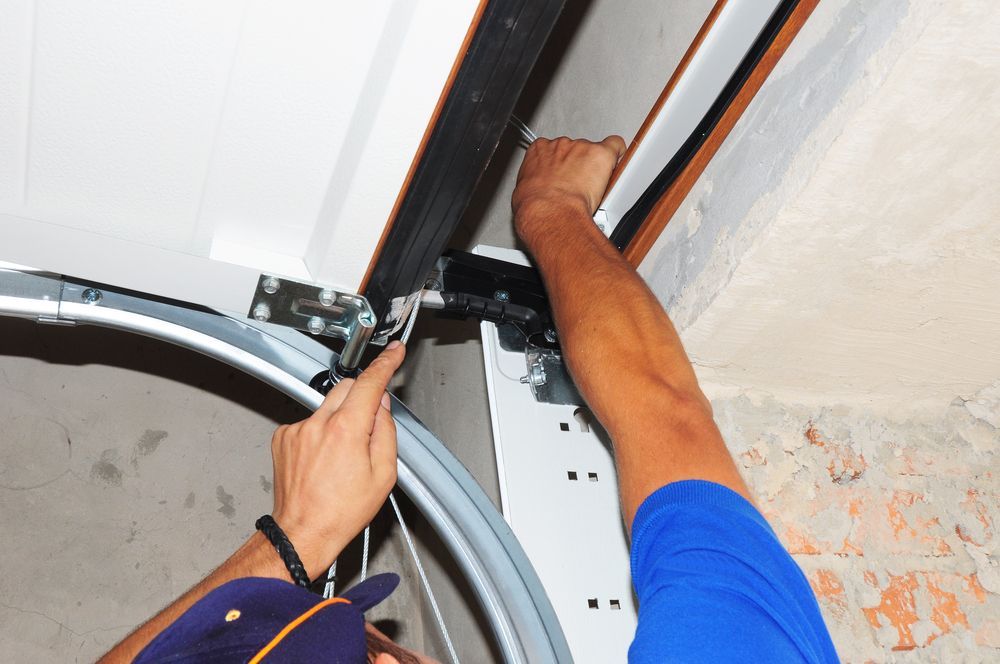
Roller doors rely on multiple moving parts working together smoothly. When corrosion develops around hinges, brackets or support hardware, the door may begin operating unevenly or place extra strain on motors and tracks.
Commercial and industrial roller doors are often opened repeatedly throughout the day, increasing wear on affected components. Rusted hinges or brackets can create alignment issues, noisy movement or resistance during operation.
If these problems continue unchecked, surrounding parts may also begin wearing prematurely. Repair services often focus on replacing damaged fittings, restoring alignment and checking whether corrosion has spread to connected sections of the system.
Drainage Problems Around Sheds And Warehouses Can Speed Up Corrosion
Poor drainage around industrial buildings can expose roller doors to long-term moisture problems. Water pooling near entrances, sheds or loading areas may repeatedly soak lower door sections and surrounding hardware.
Drainage-related corrosion risks may include:
- Standing water near door openings
- Soil or debris trapping moisture against metal
- Blocked gutters overflowing onto doors
- Runoff from nearby roofs or awnings
- Splash-back during storms and heavy rain
Addressing drainage concerns around the property can help reduce moisture exposure and support the long-term condition of roller door systems in tropical environments.
Regular Servicing Helps Identify Corrosion Before Major Damage Develops
Corrosion often develops gradually, which is why routine servicing plays an important role in roller door maintenance. Small areas of rust may be easier to treat before they begin affecting structural components or door movement.
Maintenance visits may involve cleaning tracks, checking springs, lubricating moving parts and inspecting brackets, fasteners and protective finishes. These inspections can also help identify whether environmental conditions around the site are increasing corrosion risks.
Businesses using Darwin roller door services often schedule ongoing servicing to reduce unexpected breakdowns and monitor how doors are performing across different seasons.
When Replacement Parts Are Needed, Material Choice Matters In Darwin
When corroded parts require replacement, material selection becomes important in tropical environments. Some components are more resistant to salt exposure and humidity than standard fittings.
Suitable replacement considerations may include:
- Corrosion-resistant hardware
- Protective coatings designed for coastal conditions
- Galvanised or treated metal components
- Sealed fasteners and brackets
- Upgraded materials for high-exposure sites
Choosing suitable replacement parts can support longer service life and help reduce ongoing maintenance demands for commercial and industrial roller door systems.
Darwin’s tropical climate creates ongoing challenges for commercial and industrial roller doors, particularly during the wet season when humidity, heavy rain and salt exposure combine. Corrosion often begins gradually, but early maintenance and inspections can help identify issues before larger repairs become necessary.
Here at
Darwin Roller Door Services, we provide inspections, servicing, repairs and replacement support for commercial and industrial
roller doors in Darwin. If you have noticed rust, noisy operation or signs of corrosion around your roller door system,
reach out to our team to arrange a maintenance assessment.