How Salt Air Causes Premature Corrosion In Roller Doors In Darwin
Darwin Roller Door Services • January 28, 2026
Darwin’s coastal location is one of its biggest strengths — but for industrial and commercial buildings, it also creates unique maintenance challenges. One of the most common and costly issues faced by property owners is premature corrosion of metal fixtures, particularly roller doors. For businesses relying on secure, reliable access points, corrosion can quickly become a safety, security and operational problem.
For anyone searching for roller doors in Darwin, understanding how salt air affects roller door systems is essential. This article explains why corrosion happens faster in Darwin, how salt and moisture attack metal components, and which parts of roller doors are most at risk — helping property owners make smarter decisions about materials, maintenance and installation.
Why Salt Air Is a Major Issue for Roller Doors in Darwin
Darwin’s tropical, coastal climate creates the perfect conditions for corrosion. Salt particles carried in sea air settle on exposed metal surfaces every day. Unlike dry inland regions, Darwin’s high humidity means moisture stays on surfaces longer, allowing salt to penetrate protective coatings. Key environmental factors include:
- Constant exposure to airborne salt
- High humidity levels year-round
- Frequent rainfall followed by heat
- Warm temperatures that accelerate chemical reactions
Together, these conditions significantly increase corrosion risk for industrial roller doors compared to inland or cooler climates.
How Salt and Moisture Cause Metal Corrosion
Corrosion is a chemical process. When salt (sodium chloride) combines with moisture and oxygen, it creates an electrolyte that speeds up oxidation. This process eats away at metal surfaces, particularly steel. In practical terms:
- Salt breaks down protective coatings faster
- Moisture seeps into joints, seams and moving parts
- Heat accelerates the corrosion reaction
- Small scratches or chips become entry points for rust
Once corrosion begins, it often spreads beneath the surface, meaning damage may be more advanced than it appears externally.
Why Industrial Roller Doors Are Especially Vulnerable
Industrial and commercial roller doors are typically larger, heavier and more exposed than residential doors. They’re often installed on:
- Warehouses
- Factories
- Workshops
- Storage facilities
- Commercial sheds
These environments increase vulnerability because:
- Doors are frequently opened and closed, wearing protective finishes
- Tracks and springs are exposed to airflow
- Industrial settings may involve additional moisture, dust or chemicals
- Larger surface areas mean more salt exposure
Without proper material selection and maintenance, corrosion can set in far earlier than expected.
Roller Door Components Most Affected by Corrosion
Corrosion doesn’t affect all parts of a roller door equally. Some components are far more susceptible than others.
1. Door Curtain (Panels or Slats)
The curtain is the largest exposed surface. If coatings degrade, rust can spread quickly across panels, weakening structural integrity and affecting appearance. Common issues include:
- Bubbling or flaking paint
- Surface rust turning into deep corrosion
- Reduced strength under load
2. Springs and Torsion Mechanisms
Springs are under constant tension and movement, making them highly vulnerable once corrosion begins. Corroded springs can:
- Lose strength
- Fail without warning
- Cause sudden door drops or jams
This is a major safety concern in industrial environments.
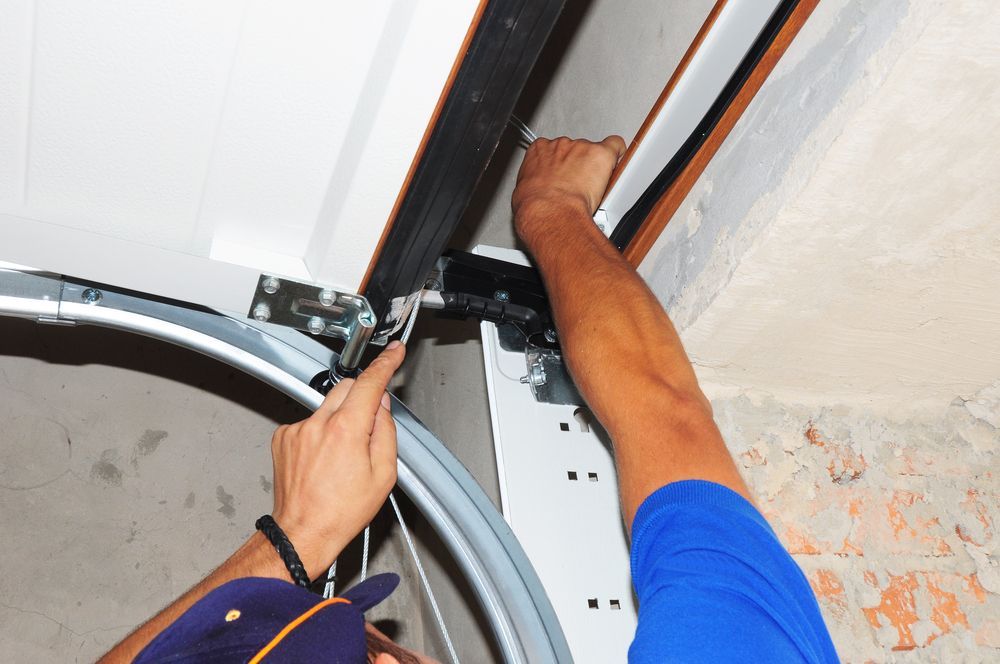
3. Tracks and Guide Rails
Tracks are often overlooked but are critical to smooth operation. Salt buildup combined with moisture can cause:
- Rust inside track channels
- Increased friction
- Misalignment and jamming
Once tracks corrode, doors can become difficult or dangerous to operate.
4. Fasteners, Brackets and Fixings
Bolts, screws and brackets are small components, but they play a big role in door stability. Salt air can cause:
- Seized or weakened fasteners
- Structural loosening over time
- Difficulty during repairs or adjustments
Inferior fixings often corrode first, leading to wider system failure.
5. Bearings and Moving Parts
Bearings, rollers and internal moving components are exposed to moisture and salt, especially in windy conditions. Corrosion here leads to:
- Noisy operation
- Increased motor strain (for automated doors)
- Premature wear and failure
The Operational Risks of Corroded Roller Doors
Corrosion isn’t just cosmetic. For industrial and commercial properties, it creates real operational risks. These include:
- Unplanned downtime due to door failure
- Safety hazards for staff and vehicles
- Security vulnerabilities if doors can’t close properly
- Higher long-term repair or replacement costs
In busy facilities, even a single roller door failure can disrupt logistics, deliveries and daily operations.
Why Cheap or Inappropriate Materials Fail Faster in Darwin
Not all roller doors are designed for coastal environments. Using standard materials without corrosion resistance often leads to early failure in Darwin. Common mistakes include:
- Non-galvanised steel components
- Low-quality powder coating
- Inadequate sealing at joints and fixings
- Residential-grade components used in industrial settings
While cheaper options may reduce upfront costs, they often result in far higher maintenance and replacement expenses over time.
How Proper Design and Installation Reduce Corrosion Risk
Quality design and professional installation make a significant difference in how well roller doors withstand Darwin’s climate. Key considerations include:
- Use of galvanised or corrosion-resistant steel
- Marine-grade coatings or finishes
- Stainless steel or treated fixings
- Proper drainage and ventilation design
- Accurate alignment to prevent moisture traps
Correct installation ensures coatings aren’t damaged during fitting and that components are properly sealed from the outset.
Maintenance: The Key to Extending Roller Door Lifespan
Even the best roller doors need maintenance in Darwin’s environment. Regular servicing helps slow corrosion and identify issues early. Recommended practices include:
- Routine cleaning to remove salt buildup
- Lubrication of moving parts with suitable products
- Inspection of coatings for chips or scratches
- Early treatment of surface rust before it spreads
Preventative maintenance is far more cost-effective than emergency repairs or full replacement.
Why Local Expertise Matters for Roller Doors in Darwin
Darwin’s conditions are unique, and solutions that work elsewhere often fail here. Local suppliers and installers understand:
- Coastal corrosion risks
- Appropriate materials for tropical environments
- Installation methods suited to high humidity and heat
- Maintenance schedules that match local conditions
This local knowledge helps ensure roller doors are built and installed to last—not just look good on day one.
Protect Your Investment with the Right Roller Doors in Darwin
Salt air corrosion is one of the leading causes of premature roller door failure in Darwin, especially for industrial and commercial properties. Understanding how corrosion occurs — and which components are most at risk — allows property owners to make informed decisions about materials, installation and ongoing care.
If you’re looking for roller doors Darwin businesses trust, Darwin Roller Door Services supplies and installs industrial roller doors designed to withstand harsh coastal conditions. With the right materials, correct installation and proactive maintenance, roller doors can deliver long-term performance and reliability — despite Darwin’s challenging environment. Contact us for a quote today.